Roberto Mancini appointed Italy manager for second time

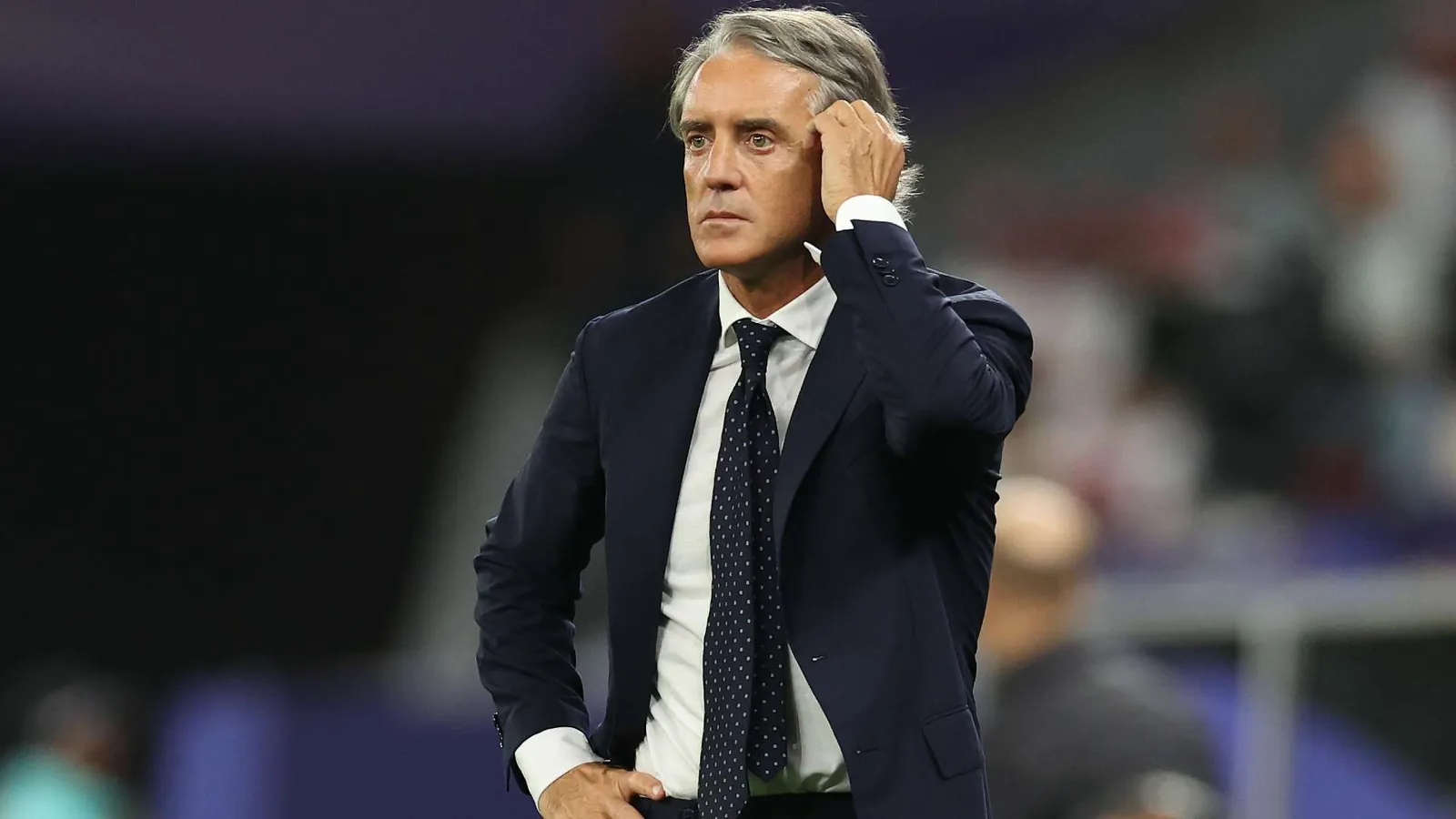
Mancini’s Return to the Azzurri
Roberto Mancini has been named the manager of the Italy national football team for a second time. This appointment follows a period of significant changes within the Italian Football Federation (FIGC), including the resignation of technical director Paolo Maldini and adviser Leonardo, and the withdrawal of Andrea Pirlo from consideration for the managerial role.
The decision to re-appoint Mancini was announced by FIGC president Giovanni Malagò, who stated his belief that Mancini was the best candidate for the position. Mancini’s return comes shortly after his departure from Qatari side Al Sadd in June, where his team won the Qatar Stars League but did not advance to the final four of the AFC Champions League Elite and lost in the Qatar Cup final.
Mancini previously managed Italy from 2018 to 2023, a tenure that included winning Euro 2020 after defeating England in the final at Wembley. During this period, he also guided the Azzurri to a world record 37-game unbeaten streak. However, his previous spell also saw the team fail to qualify for the 2022 World Cup, losing to North Macedonia in a play-off, which ultimately led to his resignation in August 2023.
Recent Managerial Changes and Controversies
The managerial position became vacant after Gennaro Gattuso left his role as Italy boss in April. Gattuso’s departure followed Italy’s failure to qualify for a third successive World Cup, with his contract terminated by mutual consent. Silvio Baldini, the Under-21 manager, had temporarily taken charge of the national team after Gattuso’s exit.
Andrea Pirlo had initially appeared to be the frontrunner for the managerial position. However, he withdrew his candidacy after controversy arose regarding his commercial ties to a Russian betting company. Pirlo expressed frustration over the debate, insisting there was no political significance behind his partnership with the firm and criticising attempts to portray it otherwise. He stated that attributing political meaning to his collaboration meant attributing convictions he never held.
The resignations of Paolo Maldini, who had been appointed technical director just two weeks prior, and adviser Leonardo, followed the decision not to appoint Pirlo. Reports suggest that Maldini and Leonardo felt they were not granted the autonomy they had been promised. They had reportedly favored a younger, more “visionary” coach, such as Raffaele Palladino, which clashed with Malagò’s preference for a manager with proven experience.
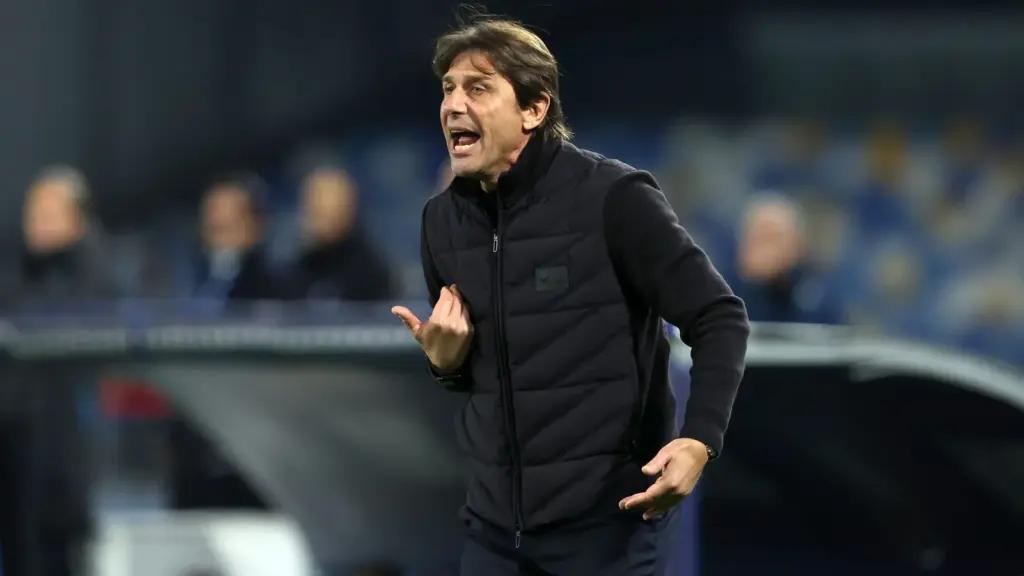
Before Pirlo was considered, the FIGC had reportedly approached both Pep Guardiola and Carlo Ancelotti for the Italy job. With Pirlo out of the running, Malagò reportedly looked towards more experienced figures, with Mancini in pole position ahead of Antonio Conte. Conte, who previously managed Italy between 2014 and 2016, is considered a popular choice among the Italian public and league officials, though his financial demands were noted to be higher.
Mancini’s Coaching History and Upcoming Fixtures
Roberto Mancini’s extensive managerial career began in 2001 with Fiorentina, where he won a Coppa Italia. He then moved to Lazio before achieving significant success with Inter Milan, securing three consecutive Serie A titles between 2006 and 2008 and a total of seven trophies during his time there. He also led Manchester City to their first Premier League title in 2012.
His career also includes stints with Galatasaray and Zenit St Petersburg before his initial appointment as Italy manager in 2018. After his first tenure with the Azzurri, he had a brief spell with the Saudi Arabia national team before joining Al Sadd.
Claudio Ranieri, known for leading Leicester City to the Premier League title in 2015-16, will replace Maldini as technical director. Italy has not participated in a World Cup finals since 2014, despite their successes in other major tournaments.
The Azzurri are scheduled to begin their Nations League campaign on September 25, playing Belgium at home, followed by an away match against Turkey three days later.
Source: bbc.com

