England squad debates Thomas Tuchel’s tactics after World Cup semi-final loss to Argentina

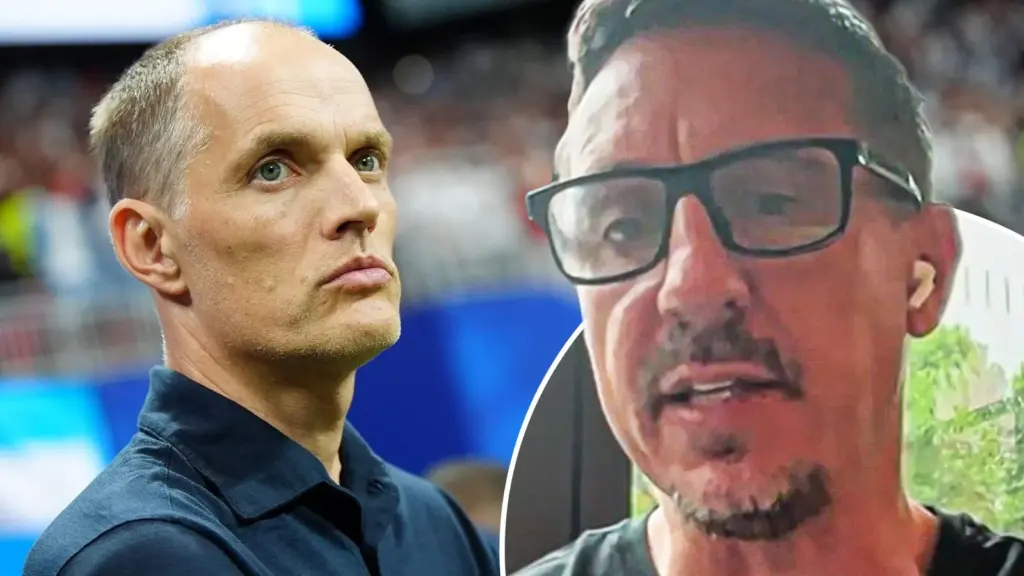
England’s World Cup Exit and Tactical Debate
England experienced a significant talking point following their World Cup 2026 semi-final 2-1 defeat to Argentina on Wednesday. The discussion centres on the team’s defensive approach in the latter stages of the match, a topic that has also generated debate among members of Thomas Tuchel’s squad.
Sources indicate that several key players expressed disappointment with the team’s strategy during the final minutes of the game. Despite this, Tuchel stated that a deep defensive retreat was not the intended plan, noting that such an approach might not align with the team’s inherent style of play, particularly in controlling possession.
England held a 1-0 lead with 35 minutes remaining, seemingly on course for their first men’s World Cup final since 1966. However, a noticeable shift in momentum occurred. While Argentina naturally intensified their attack, England has faced criticism for appearing to concede the initiative to their opponents.
Tuchel had organised his team with a back-five formation to defend their advantage, but this setup was ultimately overcome by sustained pressure from Argentina in the closing stages. Pundit Wayne Rooney attributed the defeat to the manager’s decisions.
Player Concerns and Manager’s Perspective
Following the defeat in Atlanta, there was a clear sentiment among players that the team’s tactical setup after taking the lead contributed to their downfall. At least three senior players have privately voiced complaints regarding the team’s approach during the final stages of the match.
While acknowledging that ceding ground defensively is a natural instinct, a consensus among certain players suggests that Tuchel’s tactical adjustments and substitutions intensified the defensive retreat. Some players believed they should have been given more freedom to press the ball, aiming to push Argentina away from their goal and provide relief for the defenders.
Instead, some players viewed the tactic as merely clearing lines and regrouping defensively, an approach with which not all agreed. There is a feeling among some squad members that a bolder and braver approach could have been adopted in the closing moments, not necessarily to aggressively seek a second goal, but to balance defensive resilience with offensive threat.
One source commented that the team “went too deep too early.” While player disagreement with a manager’s strategy is not uncommon, the reported consternation among players regarding how England was instructed to finish the game presents an interesting dynamic for the remainder of Tuchel’s tenure.
In response to questions about the tactics, Tuchel explained that momentum shifted dramatically after England’s goal. He noted that the team became too passive within their structure, despite his efforts to encourage a more active approach. He aimed for quicker transitions to wingers and to prevent gaps in the back four, but the team struggled to win duels, leading to a deeper defensive line, which he stated was “never the plan but it happened.”
Tuchel emphasised the crucial role of ball possession, suggesting that controlling the game and the ball might not be inherent to England’s style in the same way it is for teams like Spain, Argentina, or Brazil. He maintained confidence in the players’ abilities, as observed in training.
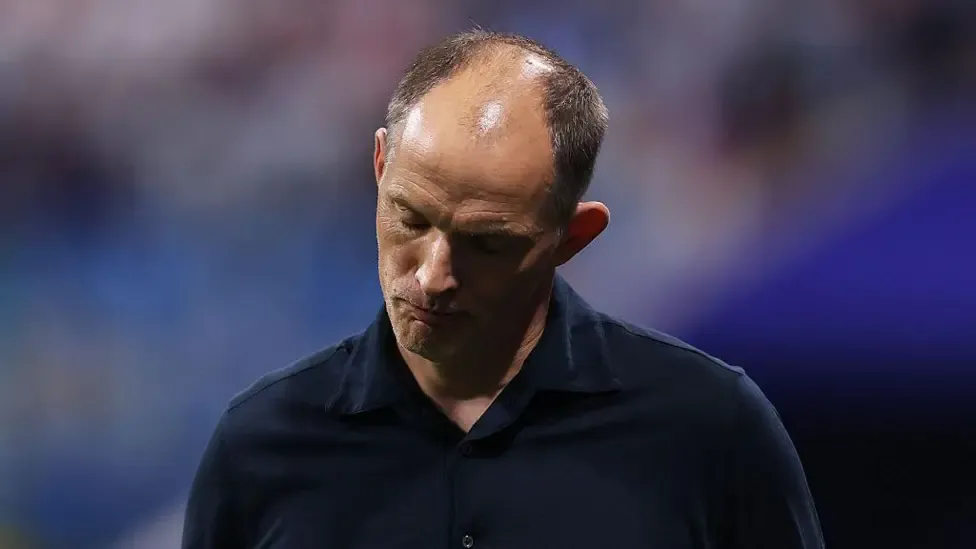
Analysis of the Semi-Final and Future Outlook
Gary Neville, a former player and pundit, refrained from heavily criticising Thomas Tuchel, stating he never anticipated England winning the tournament. He acknowledged that familiar patterns, seen in past England tournament exits, re-emerged. Neville highlighted that England teams have frequently dropped deep when defending a lead, a characteristic he experienced as a player.
Neville noted that Tuchel attempted to secure the win in a manner similar to a previous match where his team played with 10 men, focusing on resilience and compactness. However, this approach was overwhelmed by Argentina’s pressure. He pointed out that England has historically lacked the technical ability to maintain possession effectively in the midfield under high pressure, a trait possessed by elite international teams.
Despite the scrutiny, the Football Association is not considering Tuchel’s position, and he is expected to lead England through the Euro 2028 qualifying campaign, having signed a two-year contract extension before the World Cup. The FA will conduct a review of England’s tournament performance after the team returns home following Saturday’s bronze medal match against France.
Neville also reflected on Tuchel’s squad selection, suggesting that a focus on counter-attacking players might have contributed to the issues. He questioned the decision not to introduce more technical players like Kobbie Mainoo to gain control of the game, or pace options such as Bukayo Saka or Marcus Rashford. He believes Tuchel will reflect on these choices.
While England’s progression to the semi-final is still considered an achievement by the FA, there is an understanding that the circumstances surrounding their loss to Argentina require thorough examination.
The defeat to Argentina saw Enzo Fernandez and Lautaro Martinez score the decisive goals, sending the reigning World Cup champions into the final against Spain.
Read Also
Source: bbc.com

