Pep Guardiola declines Italy national team coaching role after leaving Manchester City

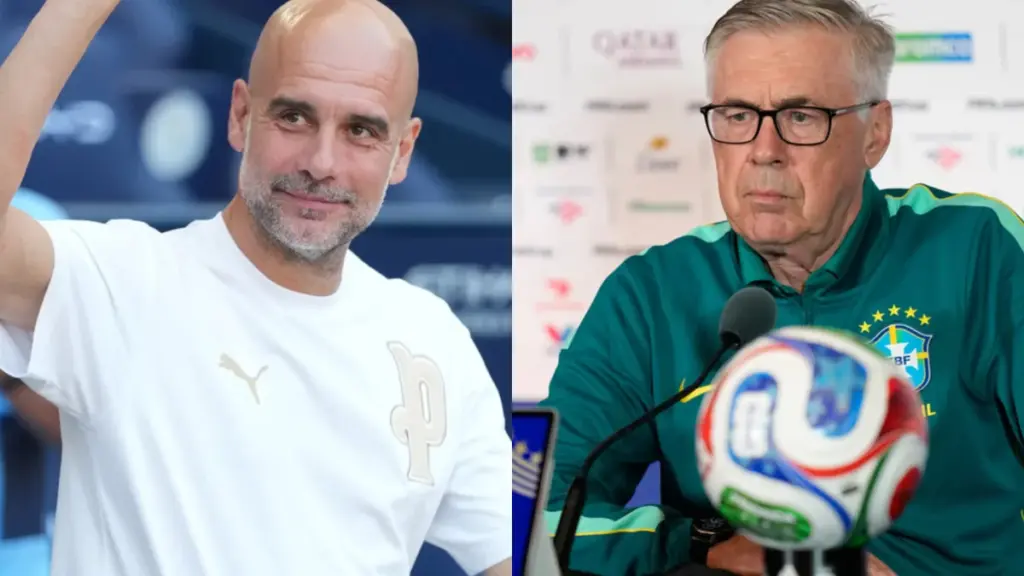
Pep Guardiola has turned down an offer to coach the Italy national team. The decision follows discussions with the Italian Football Federation (FIGC), which had sought to bring in the former Manchester City manager to lead a rebuilding effort for the national side. Guardiola recently concluded a 10-year tenure with Manchester City.
The FIGC, through officials Paolo Maldini and his advisor Leonardo, held talks with Guardiola over three days in Barcelona. During these discussions, the FIGC presented an extensive ‘Azzurro project’ aimed at overhauling Italian football, encompassing not only the senior national team but also other national teams. This initiative came after Italy failed to qualify for three consecutive World Cups.
Guardiola’s decision and future plans
Guardiola informed the FIGC on Thursday night of his decision not to take the role. His response was reportedly due to personal reasons that extend beyond football. He intends to take a break from the game to rest, spend more time with his family, and travel.
This aligns with previous statements made by Guardiola, who indicated a desire to step back from coaching after his time at Manchester City. He had expressed that he would need a break and would not have the energy for immediate coaching commitments, citing a wish to spend more time with his family.
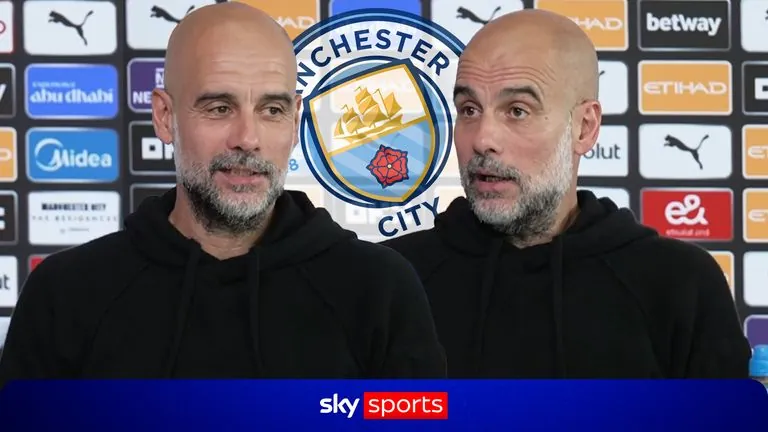
The FIGC had been prepared to make significant adjustments to their budget and had effectively told Guardiola he could shape the job as he saw fit to entice him. However, after considering the situation, he declined the offer.
Search for a new coach continues
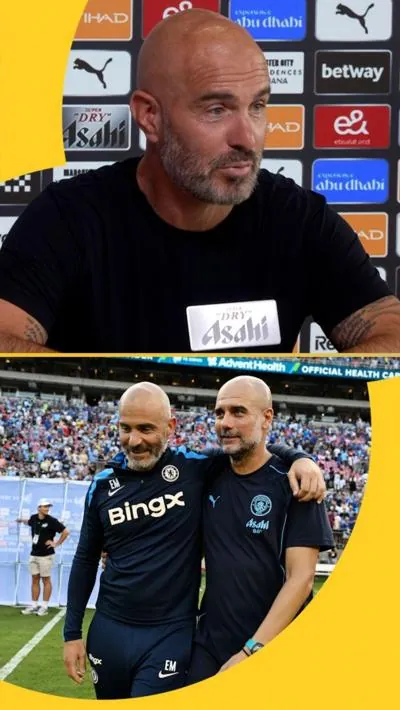
With Guardiola’s decision, the FIGC continues its search for a new head coach to succeed Gennaro Gattuso, who departed in April. Gattuso’s exit followed Italy’s failure to qualify for the World Cup in North America.
Among the alternative candidates being considered for the role is former Italy playmaker Andrea Pirlo, who currently coaches United FC in Dubai. Pirlo is seen as a frontrunner to guide Italy through an upcoming Nations League group, which includes France, Belgium, and Turkey in the autumn, and to attempt qualification for Euro 2028.
The FIGC had also approached Carlo Ancelotti, who currently manages Brazil, but he has agreed to remain in his current position. The federation’s priority is to find a suitable candidate to lead Italy back to international prominence after their recent struggles in major tournaments.
Guardiola is a free agent for the first time in a decade, having concluded his 10-year association with Manchester City, where he secured 20 trophies and maintained a win ratio of 70.8 per cent.
The Italian Football Federation’s president, Giovanni Malago, had previously confirmed that talks had taken place with Guardiola, indicating that “exceptions” could be made regarding his salary. The federation’s technical director, Paolo Maldini, confirmed contacts with both Guardiola and Ancelotti earlier this week.
Italy has not qualified for the last three major tournaments since winning the European Championships in 2021 under Roberto Mancini.
Guardiola previously stated in an interview that he would be interested in international management, noting that he would not have the energy to move to another country to do the same club coaching work. He mentioned that a national team role would be “different.”
The FIGC’s efforts to secure a high-profile coach are part of a broader shake-up in Italian football following their repeated failures to qualify for the World Cup.
The search for a new coach is critical for the FIGC, which aims to avoid a fourth consecutive absence from the World Cup in 2030.
The final decision on Italy’s next head coach has not yet been made, with the FIGC making it clear that their priority is to convince an elite coach to restore Italy’s standing in world football.
Maldini indicated that while there is urgency, it is more important to wait for the preferred candidate, even if it means a slight delay in the appointment.
Read Also
Source: bbc.com

